

Why We Can Dance for Hours: Endorphins, Synchrony, and Recovery on the Dance Floor
Why Dancing For Hours Feels Strangely Good
If you have ever danced through a marathon set and walked out feeling clear, connected, and somehow less tired than you expected, your experience is not just in your head. Music journalism platforms like EDM House Network have been highlighting emerging research that explains why long sets can feel more like a reset than a drain for many people. Extended listening and sustained movement are linked to endorphin release, higher pain thresholds, and delayed fatigue. A 2020 meta analysis in Psychological Bulletin found that music during exercise reliably delays perceived exhaustion and improves endurance. Other experimental work shows that moving in sync with music increases pain thresholds more than passive listening alone, suggesting that there is a real endorphin based mechanism behind that feeling of infinite stamina on the dance floor.
As a psychiatrist and founder of Mon’Vie Mind Wellness®, I am interested in what this means for nervous system health, stress recovery, and how we design our lives. For many of my patients, the dance floor is not just entertainment. It is ritual, release, and sometimes the only place they feel fully in their bodies and out of their heads. The question is how to honor that power without ignoring the strain that long weekends and high intensity environments can place on the brain and body.
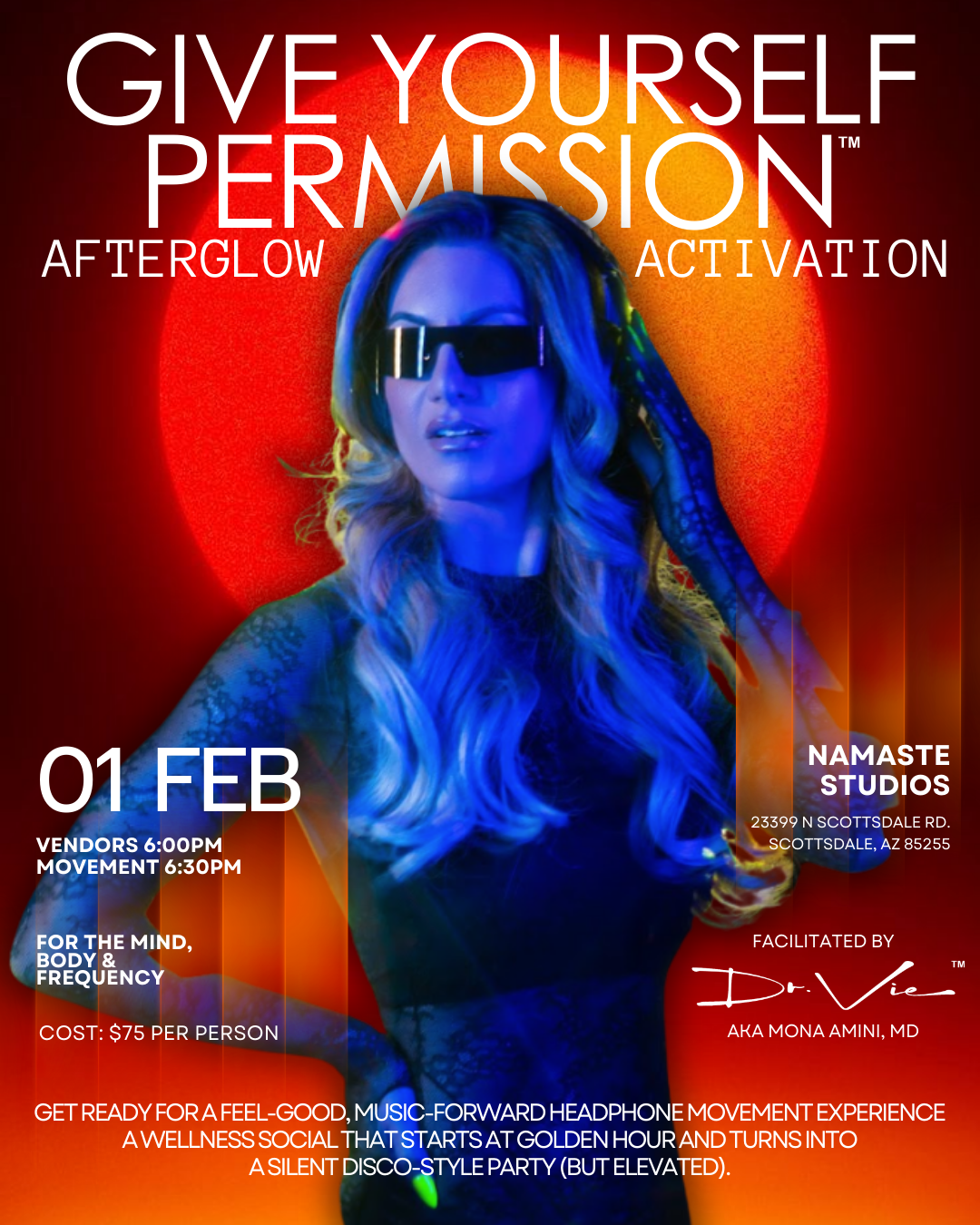
Afterglow Activation is a guided chance to let dance do what it naturally does best—release stress, boost feel-good chemistry, and reconnect you to your body through rhythm and movement.
Endorphins, Dopamine, and the Pain Threshold
From a clinical standpoint, several neurochemical systems are at play when you dance for hours. Endorphins are endogenous opioids that your body releases in response to sustained physical exertion, rhythmic movement, and even shared laughter. They bind to opioid receptors, reduce pain signaling, and create that warm sense of ease that many people describe as a post festival glow. When researchers measure pain threshold before and after synchronized movement, like group dancing, they often see a measurable increase in how much discomfort people can tolerate.
Dopamine also plays a role. Electronic music is full of tension and release patterns that create anticipation. When the drop finally lands, you experience a surge of reward signaling. Over a long set, these cycles repeat over and over, which can keep motivation and perceived energy high, even as your muscles technically tire. Add in noradrenaline from physical exertion and the sensory stimulation of lights and crowd, and you have a neurochemical mix that can sustain wakefulness and movement much longer than a normal workout on a treadmill would.
The important part is this: these chemicals do not erase actual strain. They simply modulate how the strain is perceived. The pain is not gone. The signal is turned down.
Synchrony, Social Bonding, and Collective Energy
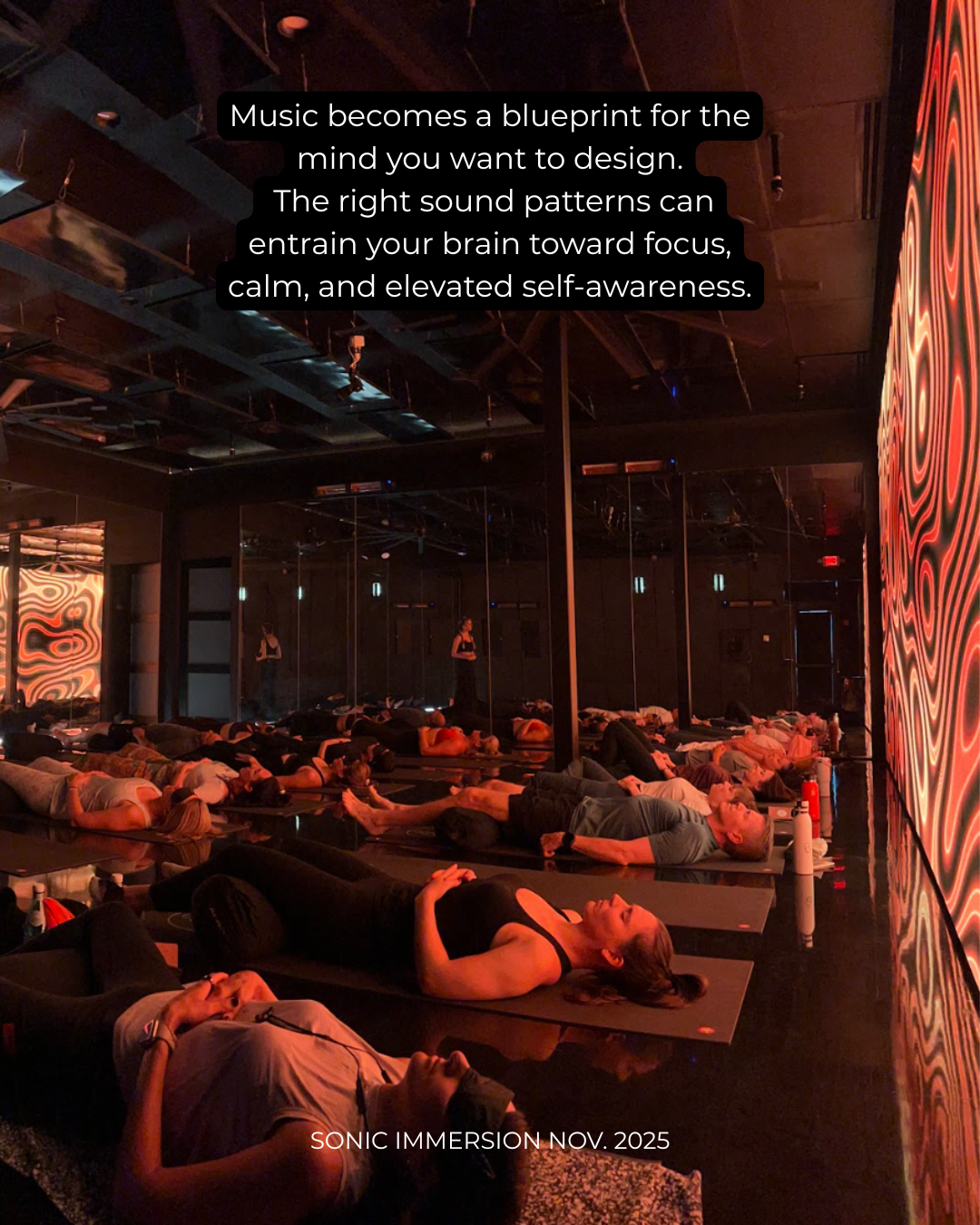
The story extends beyond chemistry into connection. Research from Oxford affiliated groups has shown that synchrony plus exertion has a special effect on the body. When people move to the same beat, sing together, or clap in unison, the brain reads this as cooperation. That sense of coordinated effort triggers reward systems linked to social bonding. You literally feel closer to the people around you, even if you have never spoken.
On a dance floor, this effect is scaled up. Thousands of bodies bouncing, clapping, and swaying to the same tempo create a field of shared rhythm. Brains are constantly scanning for safety cues. In that environment, the message is: I am with others, we are moving together, and we are not alone. That can lower perceived threat and amplify pleasure. Studies show that this kind of synchrony not only raises pain thresholds but also increases trust and willingness to cooperate. It is one reason people often describe deep conversations and spontaneous friendships at festivals.
In community terms, these nights become modern rituals. The repetition of beat, the familiarity of drops, and the shared effort of staying present for hours create a container for awe, relief, and belonging. All of which are profoundly protective for mental health when balanced with recovery.
What Is Happening In The Brain And Nervous System
Under the hood, your nervous system is doing complex work to keep you upright under unusual conditions. The brain stem and cerebellum help coordinate rhythm and movement, while deeper structures in the limbic system process emotion, memory, and reward. The prefrontal cortex, which handles planning and self monitoring, gets partial relief because the environment is highly structured and predictable. Beat, pattern, and repetition reduce cognitive load. You do not have to think about what comes next in the same way you would at work.
Clinically, we might say that the brain enters a focused yet flexible state. Attention stabilizes around sensory cues like bass lines and light patterns. For some people, this approximates a flow state. Worries about emails, deadlines, or life decisions are pushed to the background, which can feel like tremendous relief. At the same time, autonomic arousal is elevated. Heart rate is up, temperature can rise, and the sympathetic nervous system is engaged. The vagus nerve and parasympathetic branch are constantly working in the background to keep this arousal within your personal window of tolerance.
If you are already depleted or sleep deprived, that balance is harder to maintain. This is where allostatic load comes in. Allostatic load refers to the cumulative burden on your stress response system. A single night of intense dancing can be adaptive and even therapeutic for some. Multiple nights in a row without hydration, sleep, or nutrition can tip the system toward instability.
Music, Recovery, and Why Aftercare Matters
EDM House Network also highlights a less glamorous but crucial part of the story: recovery. Reviews and clinical summaries point to musical engagement as a tool for pain relief and stress reduction across many settings, including hospital care, post surgery recovery, and rehabilitation. Harvard Health has written about endorphin related stress relief associated with musical activity. Other literature notes that coordinated activity with music can reduce perceived exertion and support faster recovery afterward.
The practical takeaway is simple and non negotiable. Music may modulate how effort is processed, but it does not erase biological needs. Hydration, electrolytes, sleep, and nutrition still matter. Endorphins act like dimmers, not blindfolds. You can feel fine while still silently drawing from your reserves. When the weekend ends and all those chemical systems reset, the bill arrives. The crash, irritability, or low mood many people feel after festivals often reflects a nervous system that is asking for repair time.
As a psychiatrist, I encourage patients who love live music to treat recovery as part of the ritual, not as an afterthought. The same attention they give to lineups and outfits should be given to water intake, meals, sleep, and decompression.
From Festivals To Sonic Immersion: A Clinical Blueprint
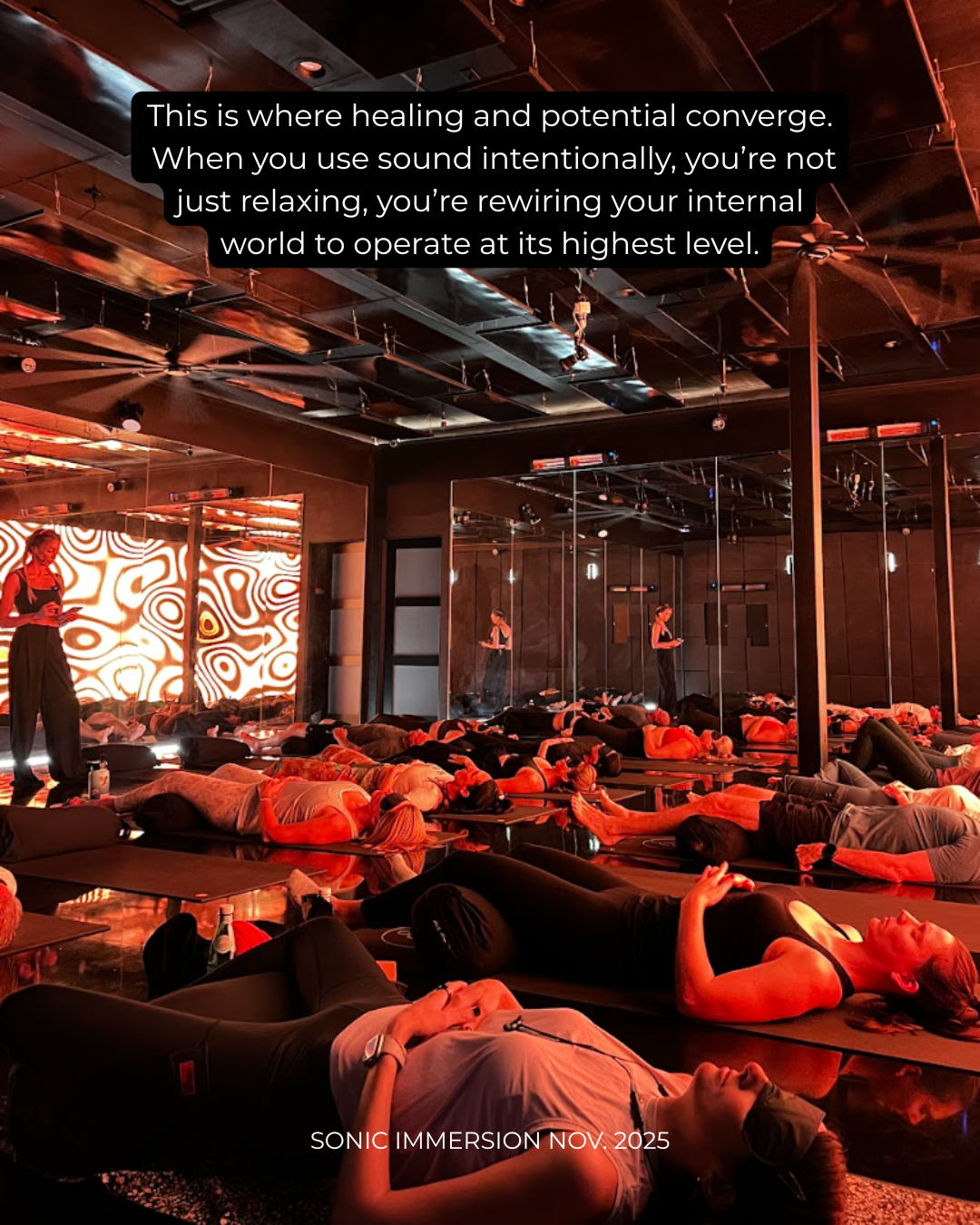
Here is how I translate these findings into what I call a “sonic immersion” plan for real life. The same principles that let you dance for hours can be used in smaller doses throughout your week to regulate stress and support creativity.
Before a high demand day, play 10 to 15 minutes of mid tempo, highly predictable tracks. Think steady four on the floor patterns with minimal vocal complexity. Use this time to sync your breath to the beat and let your attention settle on a narrow band of sound. You are entraining your nervous system to a stable rhythm before you enter a less predictable world of emails and meetings.
During stress peaks, such as back to back calls or a challenging task, use three to five minute micro sessions. Choose tracks with strong, steady kick patterns and clear phrasing. Stand up, move gently, or even just tap feet and fingers in time. This brief reset can help discharge excess sympathetic energy and restore a sense of direction.
After intense work or a night out, close with slower tracks that have longer decays, warmer timbres, and more spacious arrangements. Allow your breath to lengthen as the music slows. This sequence trains your nervous system to switch states on purpose: from activation to focused exertion, then into recovery. It is the same skill that allows a raver to move from peak energy to calm without a crash, applied to your everyday life.
Festival Pacing: Guardrails That Respect Your Brain And Body
For festival pacing, you can match the science with simple guardrails that respect both the joy and the physiology.
Hydrate early and often, including electrolytes, not just plain water
Eat real food throughout the day so blood sugar stays stable
Schedule breaks before you think you need them, not after you start to feel faint or irritable
Choose footwear that allows light bouncing and micro movement to keep circulation going even while you rest
Rotate between intense crowd zones and calmer periphery spaces to give your nervous system periodic relief
When the headliner ends, resist the urge to drop into sudden silence. Instead, let two or three down tempo tracks walk your system down. This might be a curated “post set” playlist in your headphones during the ride home or in your hotel room. You are signaling to your brain that the ritual is complete and it is safe to transition into sleep. This makes it more likely that rest will arrive as a glide rather than a hard crash.
How We Integrate Music And Neuroscience At Mon’Vie Mind Wellness®
My practice is designed for precisely this kind of intentional living. At Mon’Vie Mind Wellness®, we combine neuroscience, music expertise, and personalized psychiatric care so patients can feel elegant and effective in their routines. For some, that means designing pre performance and post performance rituals. For others, it involves using music strategically to support mood stability, anxiety management, or focus in ADHD.
We focus on longer sessions when needed, same or next day availability when possible, and detailed coaching that turns music from backdrop into tool. For patients who identify the dance floor as their meditation, we do not pathologize that. Instead, we work together to build a plan that keeps the joy while protecting recovery. That can include sleep strategies around festival weekends, hydration and nutrition planning, and custom sonic immersion protocols that bring a taste of that cathartic experience into everyday life.
Your nervous system can learn the rhythm of resilience. With the right education and support, it can hold both big nights and grounded mornings.
Give yourself permission to heal through rhythm, movement, and connection.
Call to Action
Ready to turn your love of music into a mental wellness toolkit?
Join us for Afterglow Activation: https://momence.com/Namaste-Yoga/Give-Yourself-PermissionTM%3A-Afterglow-Activation/127563225?skipPreview=true
Book a Discovery Call at Mon’Vie Mind Wellness®: https://calendly.com/-monaaminimd/discovery-call
Join me on Instagram for weekly music and mind tips: https://www.instagram.com/mona.amini.md/
Your nervous system can learn the rhythm of resilience. Let us design your soundtrack.
Mona Amini, MD, MBA
