

New Year, New Nervous System: Intention-Setting That Actually Sticks in 2026
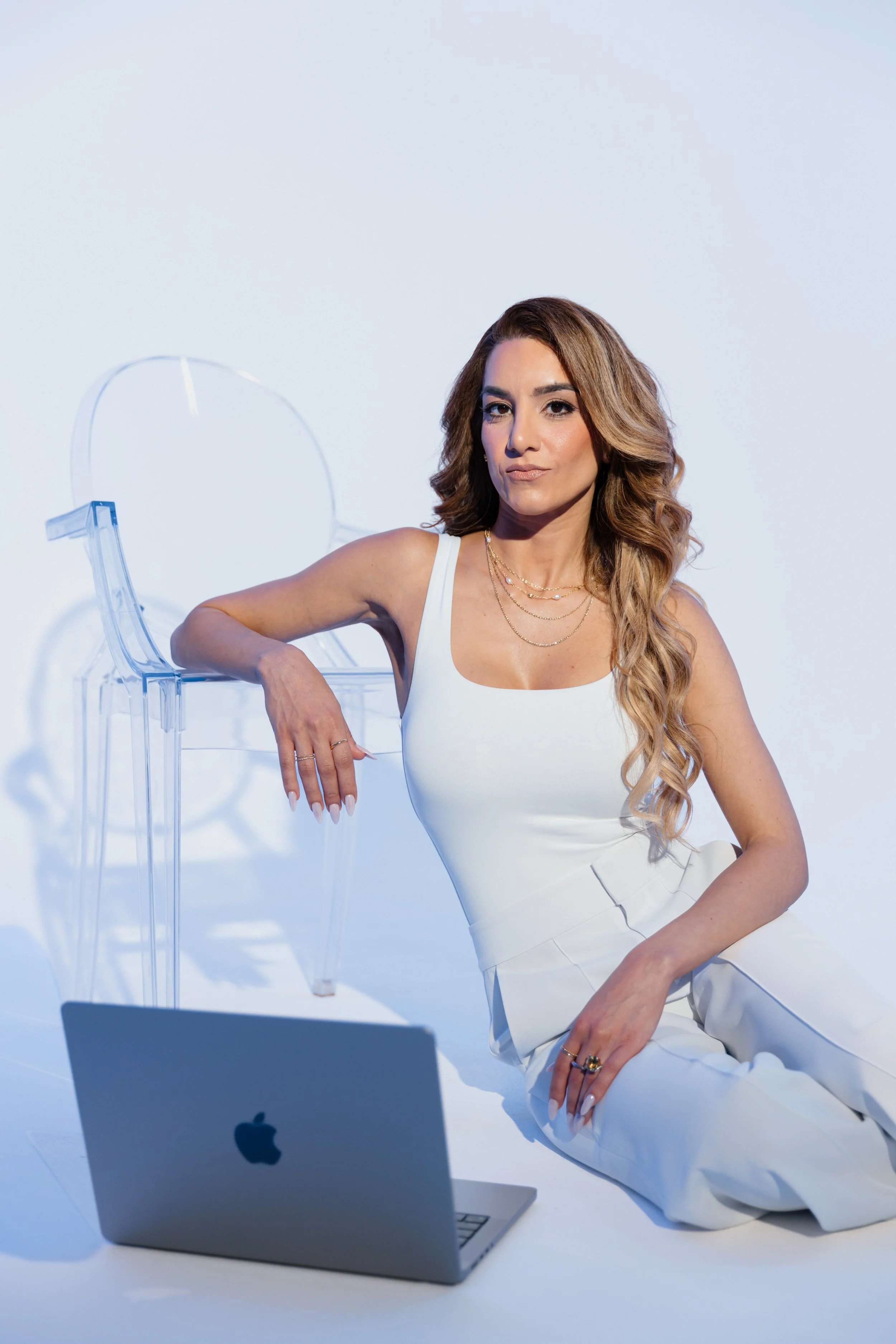
By Dr. Mona Amini, Psychiatrist & Founder of Mon’Vie Mind Wellness®
The New Year invites big declarations, but your nervous system does not speak the language of “all or nothing.”
Traditional resolutions often sound like ultimatums: Never miss a workout, stop scrolling, eat perfectly, fix everything by February. That pressure spikes anxiety, lights up your threat response, and by the second or third slip, the brain labels the entire resolution as a failure.
Intentions work differently. They focus on direction, identity, and repeatable micro actions that your brain can actually trust. Instead of “I will work out every day,” an intention sounds like, “I am someone who moves for my mental health, even in five minute bursts.” Your nervous system loves safety and predictability. Intentions reduce the sense of threat while gently steering your behavior toward the person you are becoming in 2026.
From a clinical perspective, behavior change always rides on state.
When your physiology is too revved up or too shut down, executive function, planning, and motivation go offline. When your physiology is calm enough to learn, you can encode and repeat new routines. This is where markers like vagal tone, heart rate variability, and sleep regularity become powerful. Higher vagal tone and more stable heart rate variability are linked to better emotional regulation, focus, and resilience. Consistent sleep protects your prefrontal cortex, which is responsible for impulse control and long term planning.
Translation: Regulate first, then plan. This is woven through everything we do at Mon’Vie Mind Wellness®, from psychiatry to Sonic Immersion experiences and curated music rituals that support the brain in shifting into a receptive state before you ask it to change.
Think of the month of January as a 4 week nervous system protocol instead of a willpower contest.
In Week 1, your only job is to regulate. Twice a day, put on a gentle instrumental track and breathe for five minutes, matching your exhale slightly longer than your inhale, and add one ten minute walk in daylight to anchor your circadian rhythm.
In Week 2, focus on reducing friction. Lay out what you need the night before: Water bottle filled, practice outfit ready, playlist queued. Tie your intention to an existing anchor like post coffee, after your commute, or right before you open your laptop.
Week 3 is for rehearsal. For sixty seconds, visualize yourself taking the smallest possible next step, then say it out loud: “I am a person who practices five minutes of breath before deep work,” or “I am a person who transitions with one song between demanding meetings.”
Week 4 is your review. Each day, quickly rate your energy, focus, and mood on a one to five scale. Keep what clearly helps those scores, and give yourself permission to cut what does not.
Music is one of the most efficient behavior cues you can use.
Your brain creates strong associations between sound, state, and action. Choose a two song ritual to mark the start of your practice. Let the first track be ambient or atmospheric to pace your breathing and drop you out of mental noise. Let the second track have a soft groove that invites gentle movement, stretching, or a few minutes of mindful walking. Over time, the first few notes become a “go” signal for your nervous system, which reduces the internal debate cycle of “Should I do this now, or later?” This is the same science we tap into during Sonic Immersion, where carefully curated playlists and guided grounding help attendees shift state more quickly and access deeper rest and clarity. You can bring a micro version of that into your everyday life, right in your living room or office.
Fashion can also act as a friction reducer and identity anchor.
Choose a “practice uniform” that supports the nervous system state you are cultivating. For breathwork or evening wind down, that might be soft layers, calming colors, and textures that feel safe and soothing against your skin. For creative sprints or CEO level decision making, it might be a clean, structured blazer or a favorite statement piece that tells your brain, “We show up on purpose.” Clothing is not shallow in this context, it is somatic. When you dress in alignment with your intention, you send your brain and body the same message: I am someone who shows up regulated and resourced. If you follow me on Instagram @mona.amini.md, you have already seen how music, fashion, and mindset coexist in a single frame. Your wardrobe can become another subtle tool in your mental wellness ecosystem.
To make this real, give your nervous system clear, compassionate scripts to follow. Instead of vague goals, you are going to pair identity based intentions with concrete prompts that are easy to repeat and track day after day. Then you will layer in gentle reflection so you can adjust without shame and refine your practices until they fit you, not some idealized version of you.
Intention Examples You Can Steal
I practice 5 minutes of breath before deep work.
I transition with one song between demanding meetings.
I end my day with a 10-minute wind-down and no-scroll soundtrack.
Reflection Prompts
What did my body need today?
What made the next step feel easy?
What can I make smaller or more managable?
Let these live on a sticky note at your desk, in your Notes app, or at the top of your planner. Answering them takes less than two minutes and gives you high quality data about what your nervous system can realistically hold in this season.
Keep It Social
Finally, remember that regulation is contagious. Your nervous system syncs with the people around you. Keep your intentions social whenever possible. Invite a friend or partner to join you for a Sonic Immersion, share your two song ritual in a group chat, or text someone your daily intention rating to create gentle accountability. Co regulation increases adherence because your brain feels less alone in the experiment.
At Mon’Vie Mind Wellness®, we see again and again that community, music, and nervous system literacy radically transform how people move through stress, leadership, and transition seasons like the New Year. As you step into 2026, do not ask yourself, “Can I be perfect?” Ask instead, “What is the smallest, kindest action that helps my nervous system feel safe to grow?” Then build your year from there.
Give yourself permission to build a calmer life instead of chasing perfect resolutions.
Call to Action
✨ Ready to make 2026 the year your nervous system feels supported, not pushed past its limits? Start by choosing one intention identity today, pair it with a two song ritual, and practice it for the next seven days. Notice how your energy, focus, and mood respond when you regulate first and plan second. You can also join us for our January Sonic Immersion - Here is the link to join below:
If you are ready to bring these tools into your life or organization, explore the offerings at Mon’Vie Mind Wellness®, from one to one care to Sonic Immersion events and corporate workshops designed to support whole person performance.
Connect with Dr. Mona Amini on Instagram at @mona.amini.md and LinkedIn at Dr. Mona Amini, and visit monviemindwellness.com to learn more or inquire about speaking and collaboration opportunities. Your New Year does not need a stricter resolution. It needs a calmer, more empowered nervous system.
Explore Speaking Opportunities with Dr. Amini at Mon’Vie Mind Wellness® and bring the science of intention, music, and nervous system healing to your next event.
Dr. Mona Amini
