

The Dopamine Menu for 2026: A Psychiatrist’s Guide to Feeling Good Without Burning Out
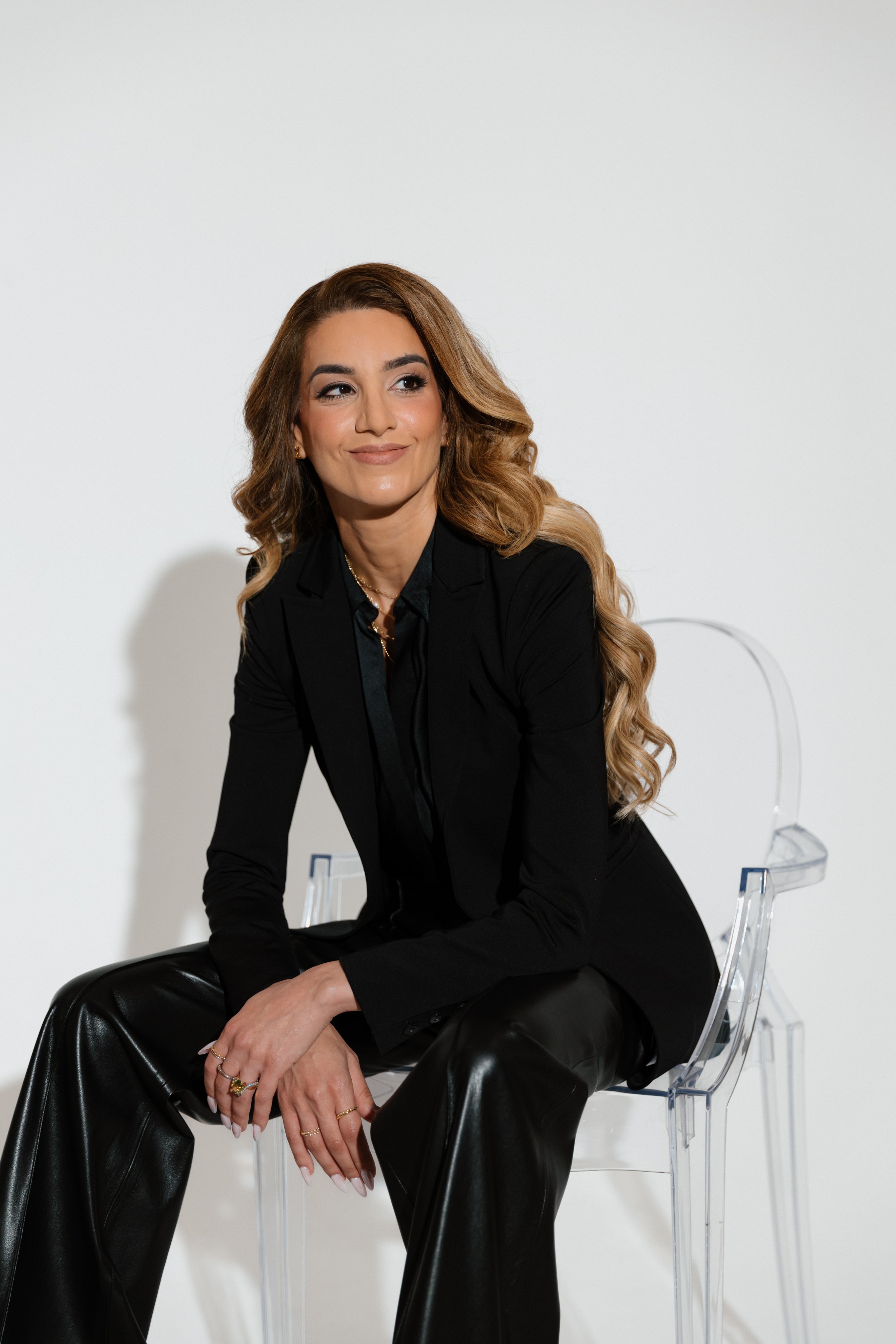
By Dr. Mona Amini, Psychiatrist & Founder of Mon’Vie Mind Wellness®
Your brain is not “lazy” for wanting quick comfort, it’s wired for reward.
In 2026, when every app is engineered for compulsion, building intentional pleasure is a mental health skill. The goal isn’t to eliminate dopamine (you can’t, and you shouldn’t). It’s to stop outsourcing your nervous system to whatever is loudest, fastest, and most addictive in the moment. When we don’t plan pleasure, we default to the easiest hit doomscrolling, impulse shopping, snacking past fullness, or saying “yes” to one more task just to feel temporarily needed.
Those aren’t character flaws; they’re predictable outcomes of an overstimulated brain trying to self-soothe.
A dopamine menu is a simple framework: choose feel-good options in different “cost levels,” so you don’t default to depletion when you’re tired. Think of it as emotional meal prep. You’re creating a short list of regulating choices you can reach for when your executive functioning is low. The key is variety: some options should be sensory, some social, some physical, some reflective because what restores you on a Tuesday afternoon might not work on a Friday night.
Make it stand out
You’re also training your brain to associate relief with actions that actually replenish you, not just distract you.
Start with appetizers (2 to 5 minutes): a cold splash on your face, one song that shifts your state, stepping outside for sunlight, texting one supportive friend.
Appetizers are your fast-acting options. They are small enough to do when you feel overwhelmed, but meaningful enough to shift your brain and body in real time. Think of them as micro-interruptions that tell your nervous system one of four things: safety, movement, connection, or sensory reset. When you practice these consistently, you stop relying on whatever is loudest or most addictive in the moment. You begin training your brain to recognize that relief can be simple, clean, and available.
The best appetizers are portable and repeatable. They require almost no planning. They are the choices you can do at work, between appointments, in your car, or in the five minutes before you walk into your home. If you are building a menu for real life, pick appetizers that feel realistic on your hardest day, not your best day.
Add a few more that feel “too easy to count,” because those are the ones you will actually use: three slow breaths with your feet on the ground, stretching your jaw and shoulders, lighting a candle, making your bed to reset the room, or standing on your porch and naming five things you can see. These are tiny, repeatable nervous-system nudges.
You can also build appetizers around your senses, because your senses are often the quickest route back to the present moment.
Try a few of these:
Sip something cold or warm, slowly, on purpose
Wash your hands with warm water and notice the sensation
Step outside and feel the temperature on your skin
Smell something calming like lotion, essential oil, or coffee
Put on a texture you like, such as a soft sweater or blanket
Chew mint or gum to shift your attention and body state
Look at something green outside, even for one minute
If your mind races, choose appetizers that anchor you.
If your body feels frozen, heavy, or shut down, choose appetizers that gently activate you.
For activation, you can do:
A brisk one-minute walk
Shake out your arms and hands for 30 seconds
Ten wall push-ups
March in place while your kettle boils
Stretch your calves and hips to wake up your body
The goal is not to fix your whole mood instantly. The goal is to create a small shift. A small shift creates space. Space gives you choice.
They will not solve your whole day, but they can interrupt spirals, reduce urgency, and give your brain a new groove: pause, then choose.
This matters because spirals often begin when your brain feels urgency and scarcity. When you pause, even briefly, you interrupt the “must fix it right now” feeling. You teach your system that discomfort can be met with something supportive instead of something draining. Over time, that becomes self-trust: “When I feel off, I have options.”
To make this easier, keep your appetizer list visible.
Put it in your phone notes.
Make it your lock screen.
Tape it to your mirror.
Save it somewhere you can reach quickly, because in the moment you do not want to think. You want to select.
Next, mains (20 to 60 minutes): a workout class, a long walk, cooking something colorful, journaling with prompts, cleaning one small area for visual calm. Your goal is not productivity. Your goal is regulated satisfaction.
Mains are where you get longer-lasting relief. They provide the kind of dopamine that comes from movement, completion, creativity, mastery, and meaningful effort. This is the dopamine that tends to leave you feeling more like yourself afterward, not more depleted. Mains also help your body process stress. They give you momentum without pushing you into burnout.
Mains work best when they are specific and friction-reduced:
“Walk around the block while listening to a podcast.”
“Cook eggs and greens.”
“Journal for 10 minutes using one prompt.”
“Tidy the kitchen counter only.”
Specificity protects your energy. Vague plans create decision fatigue. When you are tired, you will not want to decide what “journaling” means or how long a “workout” should be. Your brain will choose the easiest hit instead.
Reduce friction wherever you can:
Put walking shoes by the door
Keep a simple grocery list you reuse
Leave your journal open to a blank page
Choose one cleaning zone that always counts
Create a short playlist that signals “reset time”
If you want this to stick, pair your mains with a cue.
After work.
Before dinner.
Right after your morning coffee.
Sunday morning.
Pick a rhythm that fits your life.
Keep the bar low enough that you do not have to be motivated to start. Motivation follows action, especially when the action is doable. You are building consistency, not perfection. A 20-minute main that you repeat is more powerful than a 90-minute plan you avoid.
Finally, add desserts (occasional treats) and specials (bigger restoration like a day trip).
Desserts are intentional enjoyment. Specials are deeper restoration. Both matter, because when life is demanding, your brain needs something to look forward to that is not scrolling, overworking, or overconsuming. Planning treats does not make you indulgent. It makes you honest about being human.
Desserts can be delightful without becoming your only coping tool:
A latte date
A new lip color
A movie night
Browsing a bookstore
A gentle shopping trip with boundaries
A long shower with your favorite products
A dessert you truly taste, without multitasking
Boundaries help desserts stay nourishing. That can look like a time limit, a spending cap, or a simple question before you choose it: “Will this leave me feeling better tomorrow?”
Specials are your deeper resets:
A massage
A long hike
A museum visit
A half-day offline
A day trip
A weekend away
A creative workshop that reminds you that you are more than your to-do list
Treat specials like appointments. If they are optional, they will be the first thing you cancel when life gets loud.
When your pleasure is planned, your mind stops hunting for it in places that leave you depleted.
And the more consistently you choose nourishment on purpose, the less power compulsive “quick hits” have over you.
This is the point of the dopamine menu. You are not trying to become perfectly disciplined. You are creating a system that supports you when your energy is low. You are building a life where relief is accessible, healthy, and aligned with the version of you that you are protecting.
Give yourself permission to seek joy that restores you, not drains you.
✨ Call to Action: Ready to build your own Dopamine Menu for 2026 one that actually supports your nervous system instead of draining it? Start today by choosing 3 appetizers (2–5 minutes), 2 mains (20–60 minutes), and 1 special you’ll schedule this week.
Then make it easy to follow through: use a guided tool or structured resource to keep your plan simple, realistic, and repeatable when you’re tired.
Explore supportive wellness resources in the Mon’Vie Mind Wellness store: https://monviemindwellness.com/store
Dr. Mona Amini | Mon’Vie Mind Wellness®
Invite Dr. Amini to speak or collaborate on initiatives exploring confidence, mindset, and intentional practices like fashion and music that support emotional well-being. Explore Speaking Opportunities
