

Techno, Trance, and the Climb Within: Cold Blue’s Mountain and the Practice of Sonic Healing
By Dr. Mona Amini, Psychiatrist & Founder of Mon’Vie Mind Wellness®
This reflection is inspired by the original feature on Cold Blue’s upcoming album Mountain in EDMTunes, which announced the November 14, 2025 release and explored the story behind the record: https://www.edmtunes.com/2025/11/cold-blue-to-release-brand-new-album-mountain/
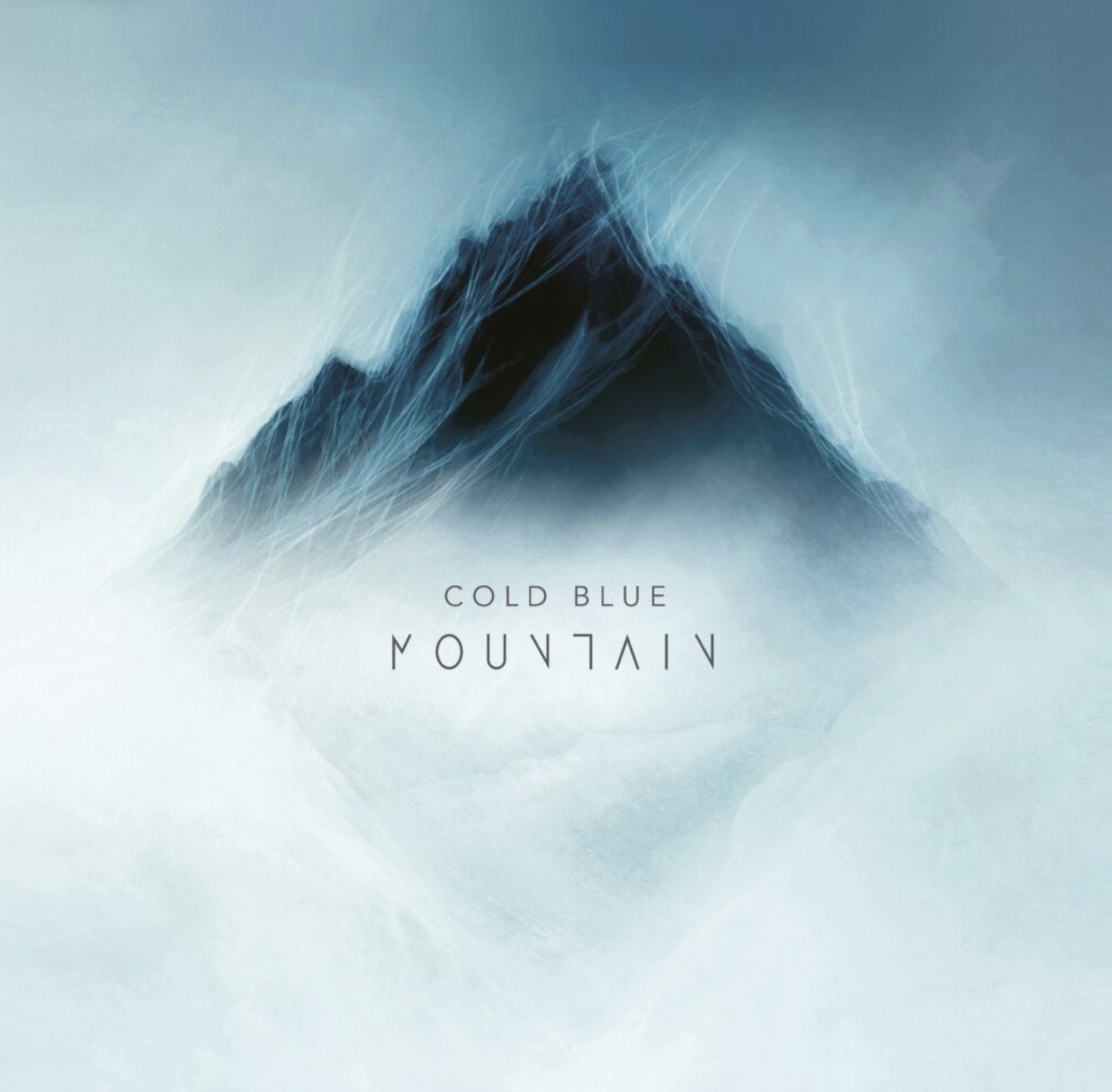
The Mountain Between Techno, Trance, and Mental Health
Electronic music is a language without words, and Cold Blue is fluent in it. His new album Mountain arrives November 14, 2025, after what the press describes as “six rotations” since his debut album Winter. Rather than chasing constant releases, producer Tobias Rinally chose a different path. He built this record slowly, through craft, patience, and genuine desire instead of deadlines.
That matters for our nervous systems. When an artist creates from desire rather than pressure, the music often carries a different texture. There is space, restraint, and a kind of emotional integrity that listeners can feel. Mountain is framed as a continuum of his signature purity and definition, potentially his artistic peak. To me, it reads like something else too. It feels like a carefully mapped inner ascent, written by someone who understands how darkness, light, exhaustion, and hope all coexist in one body.
Extremes, Emotion, and the Inner Climb
Cold Blue describes his life as “extremes.” He places techno on the side of deep drive, shadow, and struggle, and trance on the side of light, openness, and hope. He speaks openly about wrestling with his own mental health, surviving long nights, and working his way toward a new dawn.
Clinically, that arc is familiar. It mirrors what many patients experience when they begin to widen their window of tolerance. At first, life feels like a series of extremes. Too high, too low, too fast, too flat. Over time, with support and practice, the nervous system learns to stay online in the middle. We move from pure survival into meaning making.
The mountain metaphor fits perfectly. A climb is not a smooth line. There are scrambles, false summits, plateaus, and points where turning back feels easier. Reaching the top is not about being the strongest. It is about pacing, fuel, breath, and knowing when to pause. Mountain feels like it was built with that psychological terrain in mind, which is why it has so much potential as a tool for sonic healing.
The Tracklist As A Therapeutic Journey
Coverage of Mountain walks through the album in a way that feels almost like a route card. The opening track, “We Are Made Of Love,” functions as base camp. It sets a grounded, low altitude emotional tone. “Sunday Kiss” follows as the first real push upward, a reminder that tenderness can coexist with forward motion.
Then comes a central triplet that feels like weather systems inside a nervous system under load. “Into The Rain,” “Storm,” and “Into The Wild” map the sensations of activation, overwhelm, and disorientation. This is what anxiety, grief, or burnout often feel like in the body. Not one clean emotion, but shifting atmospheres of pressure and uncertainty.
Mid album valleys like “When Time Stands Still,” “Without You,” and “Escape” provide short descents. In clinical pacing, we call this titration. You touch the hard thing, then you step back and let the system recover. Those moments of pause are what make deeper work possible later.
The final approach builds through “White Lights,” “Into The Sun,” and “Radiate,” then settles into “For A Miracle.” This crest and soft landing mirror the ideal arc of a therapeutic session. We activate, we process, we integrate, and we close with a sense of possibility rather than collapse.
What Sonic Immersion Means In Clinical Practice
In my work, I use the term sonic immersion. Think of it as a guided sensory bath where sound does much of the regulatory work your brain is too tired to do alone. A well sequenced album can:
Entrian breath and heart rate into a more stable rhythm
Shift arousal up or down on purpose
Give the prefrontal cortex a simple, steady focus so it can rest from multitasking
With trance and techno, the kick becomes a metronome for your diaphragm. Pads and ambient layers cue the vagus nerve to soften. Evolving motifs give your attention something gentle and predictable to hold so it does not spiral into rumination. When an album is built for long form listening, your nervous system can practice the full cycle of stress and relief in one sitting.
Mountain is a case study in this. Vocals are minimal by design. That choice trims linguistic load so the body can lead and the mind can follow. For my patients who ruminate or over analyze lyrics, this is ideal. There are fewer semantic hooks to snag on, which makes it easier to drop into pure sensation. The track order itself gives us a ready made narrative we can borrow in therapy: base camp, challenge, storm, recalibration, summit, and integration.
The Clinical “Why” Behind Sonic Healing
There is nothing mystical about why this feels good. It is physiology.
Rhythmic entrainment gently nudges breathing toward a smoother cadence. That steadies carbon dioxide levels and reduces jittery sensations that many people label as anxiety.
Predictable four on the floor patterns reduce cognitive load. Your brain does not have to predict unpredictable changes. That frees up bandwidth for interoception, the quiet noticing of internal signals that improves emotional self regulation.
Slow evolving timbres and pads encourage longer exhales and jaw release. Both are fast pathways into parasympathetic tone, the rest and digest branch of the nervous system.
Over 50 to 70 minutes, these small shifts add up. Your body is essentially doing micro reps of resilience. It learns: I can feel activation, stay with it, and then return to safety. That is the core of trauma informed work and anxiety treatment. We never aim for a life without stress. We aim for a nervous system that trusts it can come back down.
Turning Sonic Healing Into Daily Micro Practices
One of my favorite parts of working with music is how practical it can be. You do not need a three hour window or a festival wristband. You need a few tracks, a small intention, and a bit of consistency.
At Mon’Vie Mind Wellness®, we often build tiny sonic routines for key transitions in the day:
Morning stabilization uses steady low end and gentle pads to ease the brain into wakefulness without a cortisol spike.
Midday focus sprints use crisp transients and locked kicks that support concentration without feeling harsh.
Evening downshifts use warmer tones, longer decays, and softer percussion to cool the nervous system and set up sleep.
Patients who love techno and trance tend to resonate with climb metaphors and arc based playlists. Their bodies already understand the cycle of build, break, and integration. We simply turn that existing wisdom into a deliberate practice.
A Playful Protocol For When You Feel Scattered
Here is a playful, clinically informed protocol you can try the next time you feel scattered or emotionally overloaded. You can use any playlist you love, and now that Mountain is out, you can run the sequence with that album from start to finish.
Phase One – Grounding Base Camp
Queue two to three tracks with stable low end and airy pads.
Sit or stand with feet on the floor.
Let your breath match the kick for about four minutes, then gently extend your exhale by a count of two.
Phase Two – Intentional Climb
Move into three to four tracks with a driving but controlled kick.
Allow micro movement: shoulder bounce, soft knee bend, subtle sway.
Keep jaw floating and teeth slightly apart. If agitation creeps in, lower volume by ten percent for one minute, then return.
Phase Three – Summit And Soft Landing
Close with two pieces that widen space and lengthen decays.
Sit or lie down. Sip water.
Notice the precise moment your shoulders drop or your tongue unglues from the roof of your mouth. That is your body translating sound into regulation.
You do not have to clear your mind or “meditate correctly.” You just have to stay curious and notice what shifts.
How We Use Music
We blend concierge level psychiatric care with neuroscience, design, and sound to help patients feel both deeply supported and aesthetically inspired.
Education about the autonomic nervous system and how sound can support it
Collaborative playlist design for anxiety, burnout, grief, or creative block
Practical strategies for integrating sonic rituals into real schedules, not idealized ones
Conversations about identity, fashion, and environment so that how you dress and where you listen also support your nervous system
If you love Cold Blue, techno, trance, or long form sets, you already have a doorway into healing. My job is to help you walk through it in a way that protects your sleep, your relationships, and your long term mental health.
Give yourself permission to heal through sound, stillness, and the climb back to yourself.
Call to Action
If this resonates, I would love to help you design your own version of the climb.
Book a Discovery Call at Mon’Vie Mind Wellness: https://monviemindwellness.com/
Join me on Instagram for weekly music and mind tips, behind the scenes from Sonic Immersion events, and style infused mental wellness content: https://www.instagram.com/mona.amini.md/
Join our next sonic immersion January 18th - https://momence.com/Namaste-Yoga/Sonic-Immersion/126717533?skipPreview=true
Music is not a shortcut to healing. It is a powerful medium for practice. When you listen with intention, albums like Mountain become more than soundtracks. They become maps of ascent, patience, and presence, one measured step at a time.
For readers who want the original music journalism context, you can explore the full announcement and feature on Cold Blue’s Mountain at EDMTunes here: https://www.edmtunes.com/2025/11/cold-blue-to-release-brand-new-album-mountain/
Mona Amini, MD, MBA
